
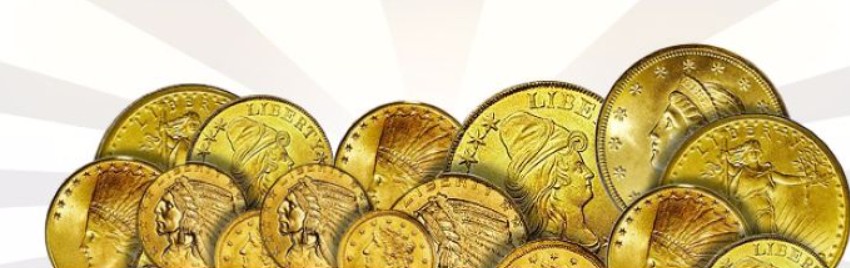
If you’ve inherited a coin collection or stumbled upon old coins in your attic, you might be sitting on a small fortune without even knowing it. The world of numismatics can feel overwhelming at first. But understanding how rare coin prices work and knowing where to sell rare coins doesn’t have to be complicated. Whether you have Morgan dollars, Peace dollars, gold eagles, or historical pennies, each coin tells a story. More importantly, each coin has a specific market value that changes based on several factors. This guide walks you through everything you need to know about valuing your coins and getting the best price when you decide to sell.
What Determines Rare Coin Prices
The price of a rare coin isn’t random. Several key factors come together to determine what a coin is worth in today’s market. First, rarity plays a huge role. Coins minted in small quantities or from specific years naturally command higher prices. For example, a 1909-S VDB Lincoln penny is worth significantly more than a regular 1909 penny because fewer were made. Second, condition matters tremendously. A coin in mint state condition will always fetch more than the same coin that’s been heavily circulated and worn down. Third, historical significance adds value. Coins tied to important events or periods in history often sell for premium prices. Fourth, metal content affects value, especially for gold and silver coins. When precious metal prices rise, so do coin values. Finally, collector demand drives the market. Some coins become trendy among collectors, pushing prices higher even if the coin isn’t particularly rare.
The Importance of Professional Grading
You can’t accurately assess rare coin prices without understanding grading. Professional grading services like PCGS and NGC provide third-party authentication and condition assessment. These companies examine coins under magnification and assign them a numerical grade from 1 to 70. A grade of 70 means the coin is perfect with no flaws visible even under magnification. Most coins fall somewhere in the middle range. Getting your coins professionally graded costs money upfront, but it’s often worth it for valuable pieces. Graded coins come sealed in protective holders with tamper-proof labels showing the grade. This provides buyers with confidence and typically results in higher selling prices. When you sell rare coins through reputable dealers, they often require professional grading for high-value pieces. This protects both the buyer and seller from disputes about condition.
Understanding Current Market Trends
The rare coin market doesn’t stay static. Prices fluctuate based on precious metal values, economic conditions, and collector interest. Right now, silver coins are experiencing increased demand as silver prices climb. Gold coins naturally follow gold spot prices, though rare gold coins command premiums well above their metal content. Collectors also shift their focus over time. For years, Morgan dollars dominated collector interest. Recently, Peace dollars and early American gold coins have gained popularity. Understanding these trends helps you time your sale for maximum profit. Following auction results and dealer listings gives you insight into current market conditions. Websites and price guides update regularly to reflect these changes. But remember that published prices are guides, not guarantees. Actual selling prices depend on finding the right buyer at the right time.
Where to Sell Rare Coins Safely
Choosing where to sell rare coins matters as much as knowing their value. You have several options, each with advantages and drawbacks. Local coin shops offer convenience and immediate payment but may not offer top dollar, especially in smaller markets. Online marketplaces like eBay give you access to millions of potential buyers but come with fees, shipping risks, and potential fraud. Auction houses can get excellent prices for truly rare specimens but charge significant commissions and take time. Reputable national dealers offer a middle ground. Park Avenue Numismatics has been buying and selling rare coins for over 30 years, providing expert evaluations and fair prices based on current market conditions. They understand the factors that affect rare coin prices and can quickly assess your collection’s value. Working with established dealers protects you from scams and ensures you get legitimate offers based on actual market data.
How to Prepare Your Coins for Sale
Before you sell rare coins, take time to prepare them properly. Never clean your coins. This is the biggest mistake new sellers make. Cleaning removes the natural patina and can dramatically reduce value. Even gentle cleaning with soft cloths damages surfaces under magnification. Leave your coins exactly as you found them. Next, organize your collection. Group coins by type, denomination, and date. This makes evaluation easier for potential buyers. If you have original mint packaging, holders, or certificates of authenticity, keep them with the coins. Documentation adds value and helps establish provenance. Take clear photos of both sides of each coin in good lighting. This lets dealers provide preliminary evaluations before you ship anything. Research your coins using online price guides and auction databases. This gives you realistic expectations about value. But remember that online prices often represent retail values, not what dealers pay when buying. Expect to receive 70 to 85 percent of retail value when selling to dealers, more for extremely rare pieces.
The Role of Precious Metal Content
Many rare coins contain gold or silver, which provides a baseline value regardless of numismatic worth. This is called melt value or intrinsic value. For example, pre-1965 U.S. quarters, dimes, and half dollars contain 90 percent silver. Their value can never drop below the silver they contain. When you sell rare coins, dealers calculate metal content first, then add premiums for rarity and condition. This is why rare coin prices often spike when precious metals rally. A Morgan dollar might be worth 25 dollars in silver content but sell for 35 to 40 dollars due to collector demand. Truly rare Morgan dollars in high grades can sell for hundreds or thousands. Understanding this relationship helps you evaluate offers. If a dealer offers less than melt value, walk away. They’re either uninformed or dishonest. Legitimate dealers always pay at least metal content value, then add appropriate premiums based on the coin’s numismatic qualities.
Common Mistakes When Selling Rare Coins
New sellers often make costly mistakes that reduce their profits. First, they sell too quickly without researching values. Taking time to understand your coins’ worth prevents leaving money on the table. Second, they fail to get multiple offers. Just as you’d get several estimates for car repairs, get quotes from multiple dealers before selling. Prices can vary significantly between buyers. Third, they ignore grading condition. A coin in MS-65 condition might be worth ten times more than the same coin in VG-8 condition. Learning basic grading helps you understand offers. Fourth, they fall for scams. Some buyers lowball offers hoping sellers don’t know better. Others disappear after receiving coins. Only work with established, reputable dealers. Park Avenue Numismatics provides transparent evaluations based on current market data, explaining exactly how they arrive at their offers. Fifth, they neglect to consider selling costs. Shipping, insurance, grading fees, and auction commissions all reduce your net proceeds. Factor these into your decision about where to sell.
Special Considerations for Gold Coins
Gold coins require special attention when determining value. American Gold Eagles, for instance, are popular bullion coins that track gold prices closely. Rare gold coins like Saint-Gaudens double eagles or Indian Head eagles carry substantial numismatic premiums beyond their gold content. These coins were minted before 1933 when the U.S. government recalled gold coins. Surviving specimens are now collectible. When evaluating gold coins, dealers assess purity, weight, and condition just like other rare coins. But they also factor in current gold spot prices, which change constantly throughout trading days. This means your gold coin’s value fluctuates with global markets. For this reason, timing matters when selling gold coins. Watching gold price trends and selling during upswings maximizes returns. However, truly rare gold coins maintain strong values regardless of short-term metal price movements because collector demand provides price support.
Building Relationships with Reputable Dealers
The rare coin market works better when you develop relationships with trustworthy dealers. These relationships benefit both parties over time. Dealers remember customers who bring them quality material and often offer better prices to repeat sellers. They might also alert you to buying opportunities if you’re building a collection. Park Avenue Numismatics exemplifies this approach, treating each customer as a potential long-term relationship rather than a one-time transaction. Their experts evaluate coins based on rarity, condition, historical significance, and current market demand, ensuring fair prices whether you’re buying or selling. When you find a dealer you trust, stick with them. They learn your interests and can provide personalized service. They also offer insights into market trends that help you make better buying and selling decisions. This doesn’t mean you shouldn’t get competitive quotes on major transactions. But having a go-to dealer simplifies the process and provides peace of mind.
The Impact of Certification on Selling Price
Professional certification from PCGS or NGC significantly affects selling prices for rare coins. These third-party grading services authenticate coins and assign condition grades that the entire market recognizes. When you sell rare coins with professional certification, buyers have confidence they’re getting what they pay for. This confidence translates to higher prices, often 20 to 50 percent above raw coin values for the same piece. Certification also makes selling easier and faster. Dealers can quote prices immediately without needing to examine coins in person. Private collectors feel comfortable buying certified coins online without seeing them first. The protective holders prevent damage during shipping and handling. For coins worth more than a few hundred dollars, certification makes economic sense. The grading fees are easily recovered in higher selling prices. For common coins worth under a hundred dollars, certification costs may exceed any price benefit. In those cases, selling raw coins makes more sense.
Understanding Dealer Margins and Fair Offers
When you sell rare coins to a dealer, they need to make a profit when they resell. This is normal and expected in any business. Understanding typical dealer margins helps you evaluate whether offers are fair. For common bullion coins, dealers typically work on 5 to 10 percent margins. For numismatic rare coins, margins range from 15 to 30 percent depending on rarity and marketability. Very rare coins with uncertain market demand may require larger margins to justify the dealer’s risk and holding costs. A fair offer typically ranges from 70 to 85 percent of current retail market value. Higher percentages apply to popular, easily sold coins. Lower percentages apply to specialized pieces with limited buyer pools. Extremely rare coins might command even higher percentages if dealers have waiting buyers. When you receive an offer, ask the dealer to explain their reasoning. Good dealers willingly discuss how they arrived at their number. They’ll reference recent auction results, current listings, and market trends. If a dealer can’t or won’t explain their offer, that’s a red flag.
Conclusion: Making Informed Selling Decisions
Selling rare coins successfully requires knowledge, patience, and working with the right partners. Understanding the factors that determine rare coin prices puts you in control of the selling process. Professional grading, timing your sale with market conditions, and getting multiple competitive offers all contribute to maximizing your returns. Whether you’re liquidating an inherited collection or selling select pieces, take time to research values and choose reputable buyers. Companies like Park Avenue Numismatics bring decades of expertise to every transaction, ensuring you receive fair offers based on current market conditions and your coins’ true numismatic value. Remember that rare coins represent both historical artifacts and financial assets. Treating them with appropriate care and respect throughout the selling process protects their value and honors the history they represent. With the right approach and trusted dealer relationships, selling rare coins becomes a straightforward transaction that converts collectibles into cash at prices that reflect their true worth.