
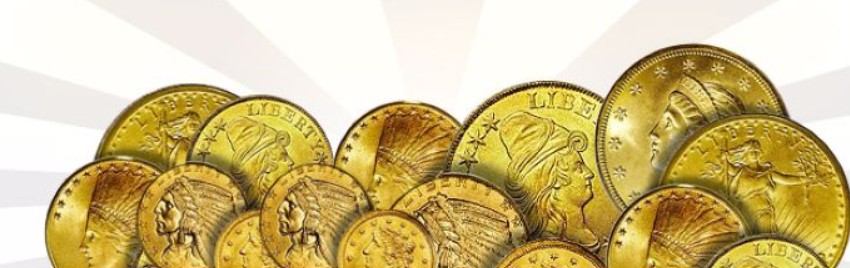
Investing in precious metals has been around for centuries. People have always valued gold and silver because these metals hold their worth over time. When you think about protecting your money, bullion products and bullion coins often come to mind. These investment options offer a way to own physical metal that you can hold in your hand. Unlike stocks or bonds that exist only on paper, precious metals give you something real and tangible.
Many people wonder what makes these investments different from other options. The answer is simple. When you buy bullion, you’re purchasing pure metal content. The value comes from the actual gold, silver, platinum, or palladium inside. This makes them different from regular coins you use to buy groceries. The metal itself has worth, not just the face value printed on it.
Park Avenue Numismatics has been helping investors navigate the precious metals market for years. The company specializes in both bullion products and rare coins, offering expert guidance to collectors and investors alike. Their team understands that every investor has different goals and budgets.
What Exactly Are Bullion Products?
Bullion products come in several forms. The most common types are bars and rounds. Bars are rectangular pieces of metal that range from tiny one-gram sizes to massive 400-ounce versions. Gold bars are popular because they’re easy to store and their value is straightforward to calculate. Silver bars work the same way but cost less per ounce than gold.
Rounds look like coins but aren’t legal currency. They contain specific amounts of precious metal, usually one ounce. Mints and private companies produce these rounds. They often feature beautiful designs on both sides. Some show historical figures while others display wildlife or symbolic images.
The purity of bullion products matters a lot. Most gold bullion is 99.9% pure or higher. Silver bullion typically reaches 99.9% purity too. This high purity means you’re getting almost pure metal with very little mixed in. When you sell your bullion later, buyers care about this purity level. Higher purity usually means better prices.
Bars come with stamps that show important information. You’ll see the weight, purity level, and manufacturer’s mark. These stamps prove the bar is genuine. Reputable dealers only sell products from well-known refineries. This protects buyers from counterfeits.
The Appeal of Bullion Coins for Investors
Bullion coins differ from regular bullion bars in key ways. Governments mint these coins, which makes them legal currency. Each coin has a face value printed on it. But here’s the interesting part. The metal inside is worth much more than the face value. A one-ounce American Gold Eagle has a face value of fifty dollars. The actual gold content is worth over a thousand dollars at current prices.
Several countries produce popular bullion coins. The United States makes American Eagles in gold, silver, platinum, and palladium. Canada produces Maple Leafs. South Africa mints Krugerrands. Australia creates Kangaroos. Each country’s coins have unique designs that collectors appreciate. The coins also meet strict quality standards set by their governments.
Government backing adds an extra layer of trust. When a country produces a coin, it guarantees the weight and purity. This makes these coins easier to buy and sell. Dealers worldwide recognize major government bullion coins. You won’t have trouble finding a buyer when you’re ready to sell.
Some investors prefer coins over bars because of their smaller sizes. A one-ounce coin fits in your pocket. This makes coins more portable than large bars. If you need to sell just a portion of your holdings, coins give you flexibility. You can sell one coin instead of breaking up a ten-ounce bar.
Benefits That Make Bullion Investments Attractive
Precious metals have protected wealth for thousands of years. When paper money loses value due to inflation, gold and silver tend to hold steady or increase in price. This happens because metals are limited resources. Nobody can print more gold like governments print money. The supply stays relatively fixed while demand continues.
Economic uncertainty drives many people toward bullion investments. During stock market crashes or banking crises, investors look for safe places to put their money. Physical metals provide that security. You own something real that has value across all cultures and time periods. Even if your local currency collapses, gold still has worth.
Diversification is another major benefit. Financial advisors often suggest spreading investments across different types of assets. Stocks, bonds, real estate, and precious metals each behave differently during economic changes. When stocks fall, gold might rise. This balance helps protect your overall wealth. Having some bullion in your portfolio reduces risk.
Privacy matters to some investors. When you buy physical bullion and store it yourself, the transaction stays private. No one else needs to know about your holdings. This differs from stocks or bank accounts that leave electronic trails. Some people value this discretion highly.
Bullion products also have no counterparty risk. This term means your investment doesn’t depend on someone else’s promise or ability to pay. A stock’s value depends on the company performing well. A bond requires the issuer to make payments. Bullion has intrinsic value regardless of any company or government’s financial health.
Different Types Available in the Market
Gold remains the most popular precious metal for investment. Its price per ounce is high, which means even small amounts represent significant value. Gold doesn’t tarnish or corrode. It lasts forever without degrading. These properties have made gold valuable throughout human history. Today, you can buy gold in coins, bars, or rounds ranging from half a gram to several kilograms.
Silver offers an affordable entry point for new investors. The price per ounce is much lower than gold. This lets you buy more physical metal with less money. Silver has industrial uses in electronics, solar panels, and medical equipment. This industrial demand supports silver’s value alongside its role as money. Silver coins and bars come in many sizes to fit different budgets.
Platinum and palladium are less common but still important. These metals are rarer than gold. They have significant industrial uses, especially in automotive catalytic converters. Their prices can be volatile because supply is limited. Some investors add platinum or palladium to diversify beyond gold and silver.
Each metal serves different purposes in a portfolio. Gold provides stability and long-term value storage. Silver offers growth potential and affordability. Platinum and palladium can deliver higher returns but with more price swings. Park Avenue Numismatics helps investors understand which metals match their goals and risk tolerance.
How to Start Your Bullion Investment Journey
Starting requires research and planning. First, decide how much money you want to invest in precious metals. Financial experts often suggest allocating five to fifteen percent of your portfolio to metals. This amount provides benefits without putting too much in one asset class. Your personal situation might call for more or less.
Next, choose which metals interest you most. Beginners often start with gold or silver because these markets are larger and more liquid. You can easily buy and sell popular gold and silver products. Once you understand the basics, you might explore platinum or palladium.
Finding a reputable dealer is crucial. Park Avenue Numismatics has built a strong reputation through years of honest business practices. They offer competitive pricing on a wide range of bullion products and coins. Working with established dealers protects you from counterfeits and unfair pricing. Check reviews and ratings before making large purchases.
Prices change constantly based on global markets. The spot price refers to the current market price for immediate delivery of pure metal. Dealers charge a small premium above spot price to cover their costs and profit. This premium varies by product type and dealer. Coins typically have higher premiums than bars because they cost more to produce.
Start small if you’re new to bullion investing. Buy a few ounces to learn the process. See how it feels to own physical precious metals. As you gain confidence and knowledge, you can increase your holdings. There’s no rush to invest everything at once.
Storage and Security Considerations
Once you own bullion, you need to store it safely. Several options exist. Home storage gives you immediate access to your metals. Many investors use home safes bolted to the floor. This works well for smaller collections. Make sure your homeowner’s insurance covers precious metals. Standard policies often have low limits on metals coverage.
Bank safe deposit boxes provide another option. Banks charge annual fees for these boxes. Your metals stay secure in a vault. However, you can only access them during banking hours. Some people worry about government access to bank boxes during emergencies.
Professional vault storage offers the highest security. Specialized companies maintain high-security facilities for precious metals storage. They charge fees based on the value stored. Your metals are fully insured while in their possession. This option works best for large holdings.
Never tell everyone about your bullion purchases. Keep your investments private. Criminals target people known to own precious metals. Basic security awareness goes a long way. If you store metals at home, don’t advertise this fact to neighbors or acquaintances.
Consider dividing your holdings across multiple locations. Keep some at home for quick access. Store the rest in a vault or safe deposit box. This strategy protects you if one location becomes compromised. It also means you can access some metals even if you can’t reach all storage locations.
Common Concerns and How to Address Them
New investors often worry about authenticity. How do you know your bullion is real? Reputable dealers solve this problem. They test every product before selling it. Park Avenue Numismatics verifies authenticity using professional equipment. They also source products directly from major mints and refineries. This reduces the risk of counterfeits entering their inventory.
Price volatility concerns some people. Precious metal prices do fluctuate daily. Sometimes dramatically. This short-term volatility can feel uncomfortable. However, long-term trends show metals maintain value over decades. If you invest for the long haul, daily price swings matter less. Focus on the bigger picture rather than daily changes.
Liquidity questions come up frequently. Can you sell bullion quickly when needed? Yes, major bullion products sell easily. Dealers buy back popular coins and bars readily. You might not get the exact price you want on any given day. But you can convert bullion to cash relatively fast. This makes bullion more liquid than real estate but less liquid than stocks.
Taxes apply to bullion sales in most countries. In the United States, profits from selling precious metals face capital gains taxes. Long-term gains get better tax rates than short-term gains. Keep records of your purchase prices and dates. This documentation helps when tax time arrives. Consider consulting a tax professional about your specific situation.
Shipping costs and insurance add to expenses when buying online. Dealers ship bullion using secure methods with full insurance. These costs are usually reasonable for larger orders. Some dealers offer free shipping above certain purchase amounts. Local dealers eliminate shipping costs entirely but may have limited selection.
Making Smart Decisions in Your Investment Strategy
Education makes the difference between good and poor investments. Take time to learn about precious metals markets. Understand what drives prices up and down. Economic data, currency values, and global events all affect metal prices. Knowledge helps you make better buying and selling decisions.
Timing your purchases can save money. Dollar-cost averaging works well for bullion. This means buying a set amount regularly regardless of price. Some months you’ll pay more per ounce. Other months you’ll pay less. Over time, this averages out to a reasonable cost basis. It also removes the stress of trying to time the market perfectly.
Quality matters more than you might think. Stick with recognized brands and government-minted coins. Unknown or generic products might be hard to sell later. Popular products like American Eagles or Canadian Maple Leafs find buyers easily. The small extra premium you pay upfront pays off in resale value.
Avoid rare or collectible coins unless you’re an experienced collector. These coins carry high premiums because of their rarity. Their value depends on collector demand, not just metal content. Beginners should focus on bullion value rather than numismatic value. Learn the basics first before venturing into collectibles.
Set clear goals for your precious metals investments. Are you protecting against inflation? Saving for retirement? Building an emergency fund? Your goals determine how much to buy and when to sell. Write down your objectives. Review them periodically to stay on track.
The Role of Trusted Dealers in Your Success
Working with experienced dealers makes investing easier and safer. They provide current market information and pricing. Good dealers educate customers rather than just pushing sales. They answer questions honestly and help you make informed choices. This relationship becomes valuable as you build your precious metals portfolio over time.
Customer service separates great dealers from average ones. Problems occasionally arise with orders or products. How the dealer handles these situations matters greatly. Read reviews to see how companies treat customers. Look for dealers who resolve issues fairly and quickly.
Selection variety lets you choose products that fit your needs. Some dealers specialize in only a few items. Others offer extensive catalogs. Having options helps you find exactly what you want. Whether you prefer coins, bars, or rounds, a good dealer stocks multiple choices in various sizes and metals.
Your Path Forward in Precious Metals
Investing in bullion products and bullion coins provides a proven way to preserve wealth. These physical assets have maintained value across centuries and cultures. They offer protection against economic uncertainty and currency devaluation. Starting your journey requires research, planning, and working with reputable dealers.
Begin with small purchases to learn the process. Understand storage options and security measures. Track market trends without obsessing over daily price movements. Build your holdings gradually over time. Stay educated about factors that influence precious metal prices.
The precious metals market welcomes investors at all levels. Whether you have a hundred dollars or a hundred thousand, you can participate. The key is starting and staying consistent. Physical bullion gives you control over tangible assets. This control brings peace of mind that paper investments cannot match.
Your investment journey is personal and unique. Take the time to understand your own goals and risk tolerance. Make decisions based on solid information rather than fear or hype. With patience and education, precious metals can become a valuable part of your financial strategy. The stability and security they provide have stood the test of time.