
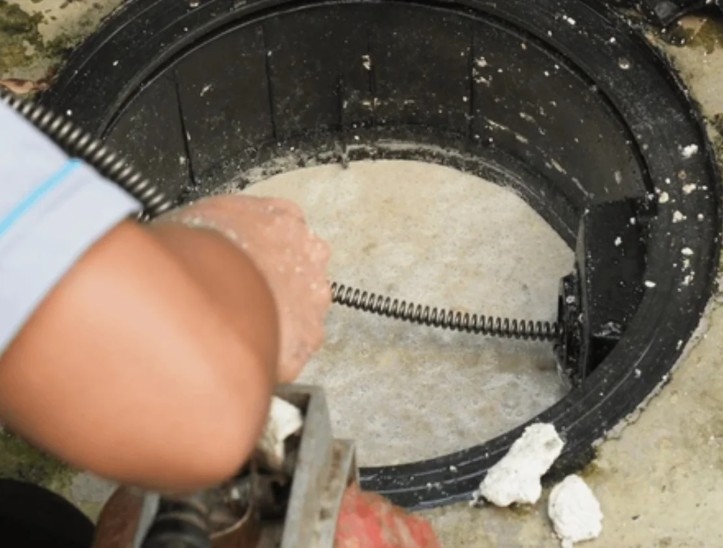
our restaurant kitchen works hard every single day. Grease flows through pipes constantly. Fats from cooking oil build up in hidden places. Without proper maintenance, disaster strikes fast. Drains back up. Water pools around your kitchen sink. Health inspectors show up with clipboards and frowns. The smell hits your dining room. Customers leave bad reviews. Your business suffers.
Here’s the truth: grease trap pumping isn’t optional. It’s essential. Your grease trap pumping schedule directly affects whether your restaurant stays open or closes for emergency repairs. Many restaurant owners ignore this maintenance until something breaks. Then they panic and spend thousands on repairs they could have prevented.
The good news? Grease trap pumping is straightforward once you understand how it works. Grease Cleaning Pros specializes in keeping restaurant drainage systems running smoothly. They handle professional pumping, cleaning, and maintenance so you don’t have to worry. Let’s explore what you need to know about keeping your grease trap healthy.
What Is a Grease Trap and How Does It Work?
A grease trap sits under your kitchen sink or outside your building. It catches fats, oils, and solids before they enter the sewer system. Think of it as a filter that protects public pipes from restaurant grease.
Here’s how it works: wastewater from your sink flows into the trap. The trap has three chambers. Water cools down in the first chamber. Grease hardens and floats to the top. Solids sink to the bottom. Clean water exits through the middle chamber into the sewer.
Your grease trap fills up over time. After about 25 percent capacity, it stops working properly. Water can’t flow correctly. Drains slow down. Backup begins.
Small traps hold 20 to 50 gallons. Larger interceptors hold 500 to 5,000 gallons. The size depends on your kitchen’s volume and local codes. Every restaurant needs the right size for their operation.
How Often Should You Schedule Grease Trap Pumping?
Most restaurants need pumping every 30 to 90 days. Some need it monthly. Others can stretch to quarterly service.
Several factors determine your schedule. First, consider your daily volume. A busy steakhouse produces more grease than a small cafe. Second, think about what you cook. Fried foods create more grease than grilled items. Third, check local regulations. Some cities require monthly service. Others allow quarterly pumping.
Here’s a practical guide: if you cook anything fried, plan on monthly pumping. If you’re grilling mostly proteins, quarterly might work. If you’re running a coffee shop with minimal cooking, you might push to four months.
Don’t wait for problems before scheduling. Grease Cleaning Pros recommends starting with quarterly service. They can assess your trap after the first cleaning and adjust the schedule based on actual grease accumulation. This approach prevents emergencies and saves money long-term.
Warning Signs Your Grease Trap Needs Immediate Attention
Your drains send clear signals when trouble is brewing. Listen to them.
Slow drainage is your first warning. Water takes longer to empty from your sink. You need to plunge more often than usual. This means grease buildup is beginning inside the trap.
Multiple drains backing up simultaneously indicates a bigger problem. Your sink drains slow, but so does your dishwasher and floor drains. This suggests your main drainage line is affected. Grease has accumulated enough to block water flow throughout your system.
Foul odors coming from drains mean grease is decomposing inside. That rotten smell is your signal to call for service immediately. It’s unpleasant for staff and customers.
Gurgling sounds from drains happen when air gets trapped by grease blockages. You might hear it from the toilet when you run the dishwasher. This is a sign water can’t flow freely.
Don’t ignore these warnings. They happen before complete failure. Early intervention prevents costly shutdowns.
The Consequences of Neglecting Grease Trap Pumping
Skipping maintenance seems cheap until it doesn’t. Then costs skyrocket.
A backed-up system forces you to close your kitchen. You can’t cook. You can’t serve customers. You lose revenue for days. Emergency plumbers charge premium rates for urgent work. Repairs often cost thousands of dollars when you could have spent hundreds on regular maintenance.
Health inspectors close restaurants with grease violations. They issue massive fines. Repeat violations can cost your operating permit. One closure can damage your reputation for years.
Grease entering the sewer system causes municipal problems. Cities fine restaurants that allow grease into public pipes. These fines add up fast. Some jurisdictions charge hundreds of dollars per violation.
Your staff suffers too. Clogged drains create terrible working conditions. The smell is awful. Cleanup takes extra time. Morale drops.
What Grease Cleaning Pros Brings to the Table
Grease Cleaning Pros handles professional pumping and cleaning so you focus on running your business. They provide several core services that protect your investment.
Their grease trap pumping service removes all accumulated grease and solids. Technicians use modern vacuum trucks to extract everything safely. They scrape trap walls completely clean. They check baffle conditions. They ensure proper water flow through all chambers.
Hydro jetting is their heavy-duty solution for stubborn blockages. High-pressure water jets blast through hardened grease inside pipes. The water scours pipe walls at 4,000 PSI. Years of buildup disappears in minutes. Pipes flow like new again.
Used cooking oil collection is another major service. Grease Cleaning Pros picks up your fryer oil on a schedule that works for you. They provide clean containers. They handle all the heavy lifting. Your old oil gets recycled into biodiesel instead of creating environmental problems. Many restaurants earn rebates from their collected oil.
Grease Trap Pumping vs. DIY Alternatives
Some restaurant owners try DIY solutions to save money. This rarely works.
Hot water down the drain seems logical. Grease melts when hot, so it should flow, right? Wrong. Hot grease moves further down your pipes and hardens again. Now you’ve got a bigger blockage in a harder place to access. You’ve just made the problem worse.
Chemical drain cleaners are another false economy. They’re harsh. They don’t remove grease effectively. Some actually damage pipes over time.
Neglecting the problem and hoping it goes away guarantees failure. Grease accumulates daily. It never disappears on its own. Waiting only makes repairs more expensive.
Professional pumping is the only real solution. Grease Cleaning Pros has the equipment and expertise to do it right. They prevent the disasters that DIY approaches create.
What to Expect During Professional Grease Trap Pumping
Professional service is quick and efficient. Here’s what happens.
Technicians arrive on schedule. They park their vacuum truck strategically. They wear uniforms and protective gear. They respect your space and operations.
They locate your grease trap access point. They open the trap safely. They insert vacuum hose and extract all contents. The vacuum truck stores waste in sealed tanks. No spills. No mess.
They scrape trap walls thoroughly. They rinse all surfaces. They check baffles for damage. They verify proper water flow. They deodorize the area.
The entire process typically takes 30 to 60 minutes. Most services happen during off-hours. Early morning or late evening work perfectly. Your customers never notice.
Grease Cleaning Pros documents everything. They provide before-and-after photos. You get detailed service reports for health department compliance. They handle proper waste disposal with all required manifests.
Maintenance Tips Between Professional Pumpings
Regular care between professional services keeps your system healthy.
Avoid pouring grease down any drain. Let cooking oil cool and solidify. Scrape it into a container for disposal or collection. Never use your drain as a trash can for grease.
Use drain screens and strainers everywhere. They catch solid food particles before they enter pipes. Clean them frequently. This simple step prevents many problems.
Run hot water after meals, but don’t pour cooking fat. Hot water helps clear food particles. It doesn’t help with grease removal.
Educate your staff. Everyone who works in the kitchen needs to understand the importance of proper drain care. One careless employee pouring grease ruins weeks of good maintenance.
Have Grease Cleaning Pros create a custom maintenance schedule. They’ll pump on the right frequency for your specific operation. Consistency prevents surprises.
Local Regulations and Compliance
Your area probably has specific grease trap requirements. Health departments enforce strict rules.
Most jurisdictions require pumping records. You need documentation showing regular maintenance. Health inspectors request these records during visits. Proper records prove your commitment to compliance.
Some areas mandate specific pumping frequencies. They might require monthly service for high-volume kitchens. Quarterly might be the minimum for smaller operations. Know your local rules.
Grease Cleaning Pros stays current with regulations in your area. They know what your health department requires. They provide proper documentation automatically.
Cost Breakdown: What Professional Pumping Actually Costs
Professional pumping isn’t cheap, but it’s far cheaper than repairs.
A typical pumping service runs between 150 and 300 dollars per visit. Frequency depends on your kitchen volume. Monthly service for a busy kitchen costs 1,800 to 3,600 dollars yearly. Quarterly service for smaller operations costs 600 to 1,200 dollars yearly.
Hydro jetting costs more, typically 300 to 800 dollars per service. You won’t need it every time you pump. Annual or biannual hydro jetting prevents future problems.
Emergency plumbing repair averages 2,000 to 5,000 dollars. A single closure might cost you more in lost revenue than a year of preventive maintenance.
Health department fines start at 500 dollars and climb from there. Repeated violations can cost thousands.
Compare these costs. Regular maintenance is the obvious financial choice.
Choosing the Right Professional Service
Not all grease cleaning companies are equal. Quality matters.
Find a company with years of experience in your area. They understand local regulations and requirements. Grease Cleaning Pros has proven track record serving restaurants throughout the region.
Check their equipment. Modern vacuum trucks. Professional hydro jetting equipment. Proper safety gear. Companies investing in quality equipment deliver quality service.
Ask about scheduling flexibility. Your restaurant has off-hours. They should work around your schedule. Grease Cleaning Pros accommodates early mornings, late evenings, and weekend service.
Request references from other restaurants. Talk to other business owners about their experience. Real reviews from real customers reveal the truth.
Verify insurance and licensing. Professional companies carry liability insurance. They maintain proper licensing. They follow all regulations.
Grease Cleaning Pros checks all these boxes. They show up when promised. They use professional equipment. They document everything. They work around your schedule. They understand restaurant operations.
Visit their website at https://www.greasecleaningpros.com/ to learn more about their services and schedule your first appointment.
Real-World Example: Why One Restaurant Changed Their Approach
A local Italian restaurant ignored grease trap maintenance for eighteen months. The owner thought pumping was unnecessary. He’d pour hot water periodically and call it good.
Then disaster hit. During lunch rush, water backed up throughout the kitchen. The dishwasher stopped working. Floor drains overflowed. They couldn’t cook. They closed the dining room in the middle of service.
Emergency plumbers arrived and charged 3,500 dollars for repairs. Health inspectors followed with violations and 800 dollars in fines. The restaurant lost 4,000 dollars in revenue that day.
The owner learned his lesson. He contacted Grease Cleaning Pros and started quarterly maintenance. He also added monthly hydro jetting during high seasons. His total annual cost is under 2,000 dollars. He hasn’t had a single drainage problem since.
That’s the difference between ignoring maintenance and being proactive. One bad day cost more than five years of preventive service.
Final Thoughts: Making Grease Trap Pumping Part of Your Routine
Grease trap pumping isn’t glamorous. It’s not something you advertise or celebrate. But it’s absolutely essential to running a successful restaurant.
Think of it like oil changes for your car. You don’t look forward to it. You just know you need it. Regular service keeps everything running. You avoid breakdowns. You save money. You have peace of mind.
The same applies to your grease trap. Regular pumping prevents disasters. It keeps your kitchen running. It satisfies health inspectors. It protects your business reputation.
Schedule your first service today. Grease Cleaning Pros makes it easy. They handle all the details. You get back to what you do best, running your restaurant.
Contact Grease Cleaning Pros at https://www.greasecleaningpros.com/ or call (310) 299-3809 for a quote. Ask about customizing a maintenance schedule for your specific kitchen. They’ll ensure your grease trap stays healthy year-round.
About Grease Cleaning Pros
Grease Cleaning Pros specializes in professional grease trap pumping, cleaning, and restaurant drain maintenance. They provide expert service to commercial kitchens throughout the region, combining modern equipment with years of industry experience. Their team handles grease interceptor cleaning, hydro jetting, and used cooking oil collection on schedules designed for your specific business needs.