
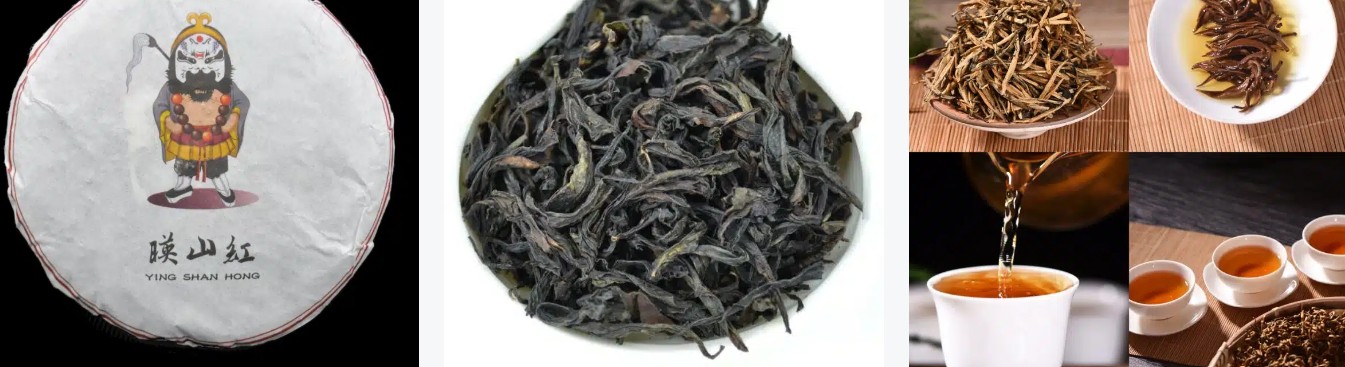
Loose leaf oolong tea online has become incredibly popular among tea lovers worldwide. If you’ve ever wondered what makes aged oolong tea special, you’re in the right place. This loose leaf oolong tea online review will explain everything you need to know about these fascinating teas.
Oolong sits perfectly between green and black tea. It’s partially oxidized, which creates unique flavors that range from floral to toasty. The aging process adds even more depth to these already complex teas.
Many people buy oolong tea online now because it’s convenient. You get access to varieties that local stores simply don’t carry. Plus, you can read reviews and compare options before buying.
What Is Loose Leaf Oolong Tea?
Oolong tea comes from the Camellia sinensis plant. The same plant gives us green, black, and white teas. What makes oolong different is how it’s processed.
The leaves are partially oxidized. This means they’re exposed to oxygen for a controlled time. The oxidation level can range from 8% to 80%. This creates a huge variety of flavors.
Loose leaf means the tea comes as whole or partially broken leaves. It’s not crushed into tiny pieces like tea bags. Whole leaves contain more essential oils and compounds. These create better flavor and aroma.
When you buy oolong online, you’ll see names like Tie Guan Yin, Da Hong Pao, or Oriental Beauty. Each type has its own character. Some taste light and floral. Others are rich and roasted.
The quality matters a lot with oolong. Good loose leaf tea can be steeped multiple times. Each infusion reveals different flavors. That’s why serious tea drinkers prefer it over tea bags.
Understanding Aged Oolong Tea: Time’s Gift to Your Cup
Aged oolong tea is exactly what it sounds like. The tea is stored for years, sometimes decades. During this time, it develops new flavors and characteristics.
Fresh oolong tastes bright and vibrant. Aged oolong becomes mellow and smooth. The sharp edges soften. New notes appear, like dried fruit, wood, or honey.
The aging process requires careful storage. The tea needs proper temperature and humidity. Too much moisture causes mold. Too little makes the tea stale. Professional tea sellers know how to age tea correctly.
Why would someone age tea? Think about aged wine or cheese. Time transforms the product. With oolong, oxidation continues slowly. Chemical compounds break down and recombine. This creates complexity you can’t get from fresh tea.
Aged oolongs often come from Taiwan or China. Traditional producers have been aging tea for centuries. They understand which varieties age well and which don’t.
The price reflects the time investment. A 10-year-old oolong costs more than a fresh one. But many tea lovers say it’s worth it. The smooth, deep flavor is unique.
Health Benefits: More Than Just Good Taste
Oolong tea offers real health benefits. Research supports many of these claims.
The tea contains antioxidants called polyphenols. These fight free radicals in your body. Free radicals contribute to aging and disease. Antioxidants help neutralize them.
Studies show oolong may help with weight management. It can boost metabolism slightly. One study found that drinking oolong regularly increased fat burning by 12%. That’s not magic weight loss, but it helps.
Oolong supports heart health. It may lower cholesterol levels and reduce blood pressure. Regular consumption is linked to lower heart disease risk.
The tea contains caffeine, but less than coffee. A cup has about 30-50mg of caffeine. Coffee has 95mg or more. This gives you energy without the jitters.
L-theanine is another compound in oolong. It promotes relaxation without drowsiness. Combined with caffeine, it creates focused alertness. Many people say tea helps them concentrate better than coffee.
Aged oolong has similar benefits. Some believe the aging process makes the tea gentler on the stomach. The compounds mellow out, which might reduce any bitterness.
How to Choose Quality Oolong Tea Online
Buying tea online requires some knowledge. Here’s what to look for.
Check the origin first. The best oolongs come from Taiwan, China’s Fujian province, or Wuyi mountains. These regions have ideal growing conditions.
Read the product description carefully. It should mention the oxidation level, roasting style, and harvest season. Good sellers provide this information.
Look at customer reviews. Real buyers share honest opinions. They’ll mention flavor, quality, and freshness. If a tea has dozens of positive reviews, that’s a good sign.
Price indicates quality to some extent. Very cheap oolong probably isn’t great. But expensive doesn’t always mean better. Find the middle ground.
Purechinatea is one company that specializes in authentic Chinese teas. They source directly from tea gardens in China. Their selection includes both fresh and aged oolong varieties. You can explore their collection at https://purechinatea.com/.
Check if the seller provides brewing instructions. Good companies educate their customers. They want you to enjoy the tea properly.
The Purechinatea Difference: Authentic Tea from Source to Cup
Purechinatea stands out in the online tea market. They work directly with farmers in China’s famous tea regions. This ensures authenticity and quality.
The company focuses on traditional Chinese teas. Their oolong selection includes light, medium, and dark roasted varieties. They also carry properly aged oolongs that have been stored for years.
What makes Purechinatea reliable? They’re transparent about their sourcing. Each tea listing includes origin information, harvest details, and brewing suggestions. They don’t make exaggerated health claims. Instead, they let the tea speak for itself.
Their aged oolong selection deserves special mention. Finding genuine aged tea online can be tricky. Some sellers artificially accelerate aging or mislabel tea. Purechinatea verifies the age and storage conditions of their aged varieties.
Brewing Tips: Getting the Most from Your Oolong
Brewing oolong correctly makes a huge difference. Here’s how to do it right.
Use good water. Filtered or spring water works best. Tap water with strong chlorine taste will ruin the tea.
Temperature matters. Most oolongs need water between 185°F and 205°F. Lighter oolongs prefer cooler water. Dark roasted oolongs can handle hotter water.
Use more leaf than you think. About one tablespoon per six ounces of water. This seems like a lot, but oolong leaves expand significantly.
First infusion is short. Pour hot water over the leaves and drain immediately. This “rinses” the leaves and prepares them for brewing. Don’t drink this first steep.
Second infusion is your first real cup. Steep for 30 seconds to one minute. Taste it. If it’s too weak, go longer next time. Too strong? Use less time.
Oolong can be steeped five to eight times. Sometimes more. Increase steeping time with each infusion. The flavor evolves with each cup.
Aged oolong follows similar rules. It’s often more forgiving. The mellowed flavor means it won’t turn bitter easily.
Flavor Profiles: What to Expect
Oolong offers incredible variety. Here’s what different types taste like.
Light oolongs taste floral and fresh. Think orchids, cream, or fresh grass. These are slightly oxidized, usually under 30%. They’re closer to green tea in character.
Medium oolongs balance floral and roasted notes. You might taste honey, stone fruit, or caramel. The oxidation level sits around 40-60%. These are the most versatile.
Dark oolongs are heavily oxidized and roasted. They taste rich and toasty. Notes include chocolate, coffee, dried fruit, or nuts. These are closer to black tea.
Aged oolong develops unique characteristics. The bright floral notes fade. What emerges is smooth, sweet, and complex. You might taste dates, aged wood, honey, or medicinal herbs. There’s often a pleasant earthiness.
The mouthfeel changes too. Good oolong feels smooth and coating. Aged versions feel even silkier. There’s no astringency or harshness.
Pros and Cons of Buying Oolong Tea Online
Advantages:
You get access to authentic varieties not found locally. Most grocery stores carry only basic teas. Online shops stock specialty oolongs from specific regions.
You can compare prices and reviews easily. Shopping in person means limited options. Online gives you dozens of choices.
Detailed product descriptions help you learn. Good online sellers educate customers about their teas. You learn about origins, processing, and brewing.
Buying in larger quantities often saves money. Many online shops offer bulk discounts. Fresh tea bought in quantity can be stored properly.
Disadvantages:
You can’t smell or taste before buying. This makes first purchases a bit risky. Reading reviews helps, but it’s not the same as sampling.
Shipping costs add to the price. Some teas are affordable until you add shipping. Look for free shipping thresholds.
Quality varies between sellers. Not every online tea shop is honest. Some sell old tea as fresh or misrepresent origins.
Storage becomes your responsibility. Online sellers package tea well, but once it arrives, you must store it correctly. Improper storage ruins good tea quickly.
Storage: Keeping Your Oolong Fresh
Proper storage extends your tea’s life. Here’s how to do it.
Keep tea in airtight containers. Oxygen exposure causes degradation. Metal tins or thick glass jars work well.
Store in a cool, dark place. Heat and light damage tea. A cupboard away from the stove is ideal.
Keep tea away from strong smells. Tea absorbs odors easily. Don’t store it near spices or coffee.
Avoid humidity. Moisture encourages mold growth. If you live somewhere humid, consider vacuum-sealed bags.
Aged oolong needs slightly different care. Some aged teas benefit from occasional air exposure. Follow the seller’s specific instructions for aged varieties.
Properly stored oolong stays good for one to two years. Aged oolong can last much longer if stored correctly.
Price Guide: What’s Reasonable to Pay?
Understanding pricing helps you find good value.
Basic oolong starts around $10-15 for 100 grams. This is decent quality for daily drinking. It won’t blow your mind, but it’s pleasant.
Mid-range oolong costs $20-40 for 100 grams. This is where quality becomes noticeable. You’ll taste the difference. These teas can be steeped multiple times successfully.
Premium oolong goes for $50-100 per 100 grams. These come from famous gardens or master producers. The flavor is exceptional. They’re for special occasions or serious enthusiasts.
Aged oolong is more expensive. A 5-year-old oolong might cost $40-60 per 100 grams. A 10-year-old could be $80-150. A 20-year-old? Sometimes $200 or more.
Is it worth paying more? That depends on your priorities. If you’re new to oolong, start with mid-range options. Once you appreciate the nuances, premium teas make sense.
Final Verdict: Should You Buy Loose Leaf Oolong Tea Online?
Yes, buying loose leaf oolong tea online makes sense for most people. The selection beats what you’ll find locally. The quality is often better too.
Start with a sampler if possible. Many sellers offer small quantities of different oolongs. This lets you explore without committing to large amounts.
Aged oolong is worth trying if you enjoy regular oolong. It’s a different experience entirely. The smooth, complex flavor surprises most people.
Choose reputable sellers. Companies like Purechinatea that specialize in authentic Chinese teas are good choices. They understand their products and educate customers properly.
Don’t expect miracles from health benefits. Yes, oolong offers real advantages. But it’s not medicine. Enjoy it primarily for taste and the pleasant ritual.
Take time to learn proper brewing. This makes the biggest difference in your experience. Well-brewed oolong from decent leaves beats poorly brewed premium tea.
The investment pays off if you drink tea regularly. Quality loose leaf costs more upfront but provides multiple infusions. The per-cup cost is actually reasonable.
Whether you’re curious about oolong or looking to expand your tea collection, buying online opens new possibilities. Just do your research, start with smaller quantities, and enjoy the journey.